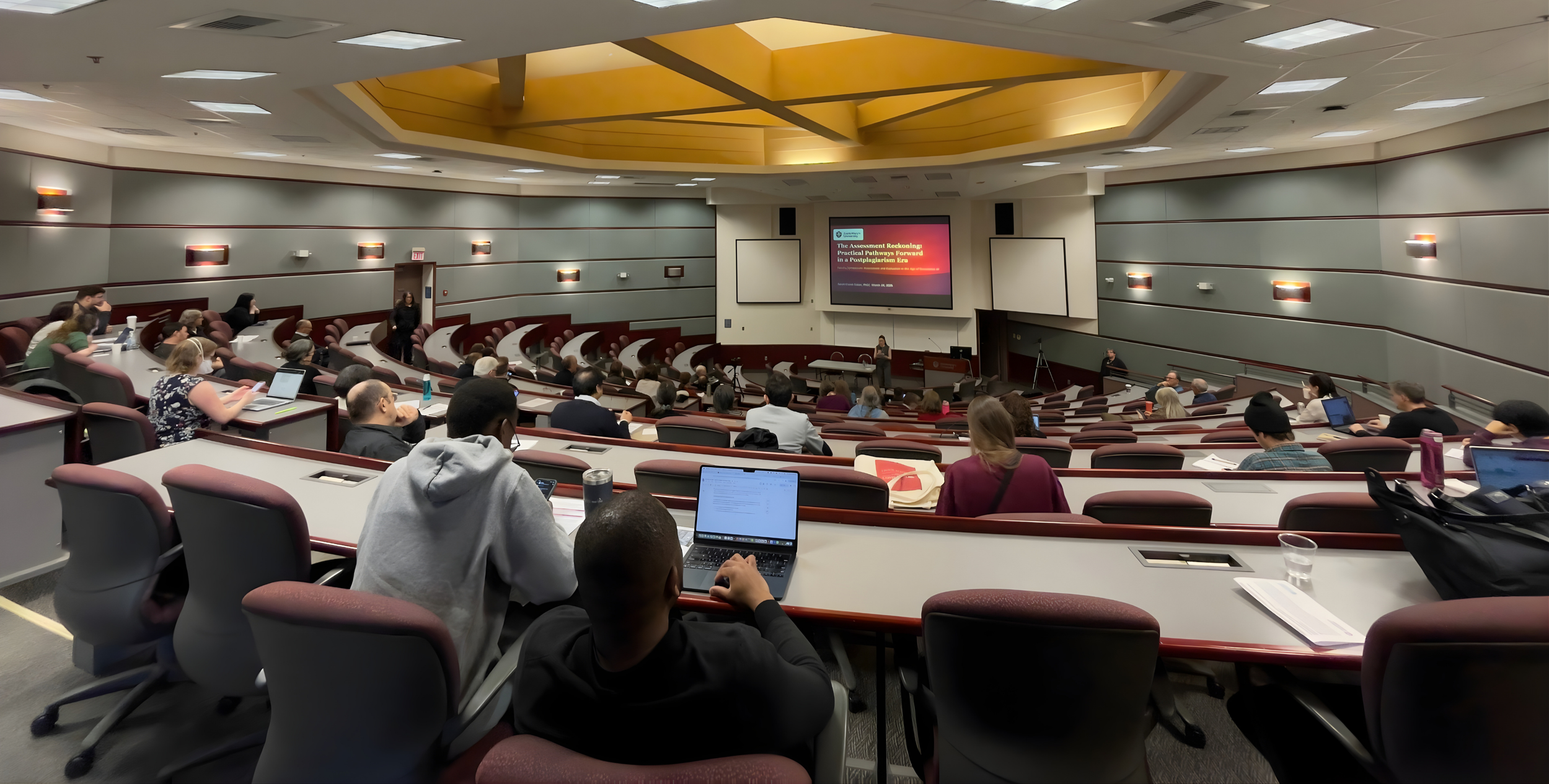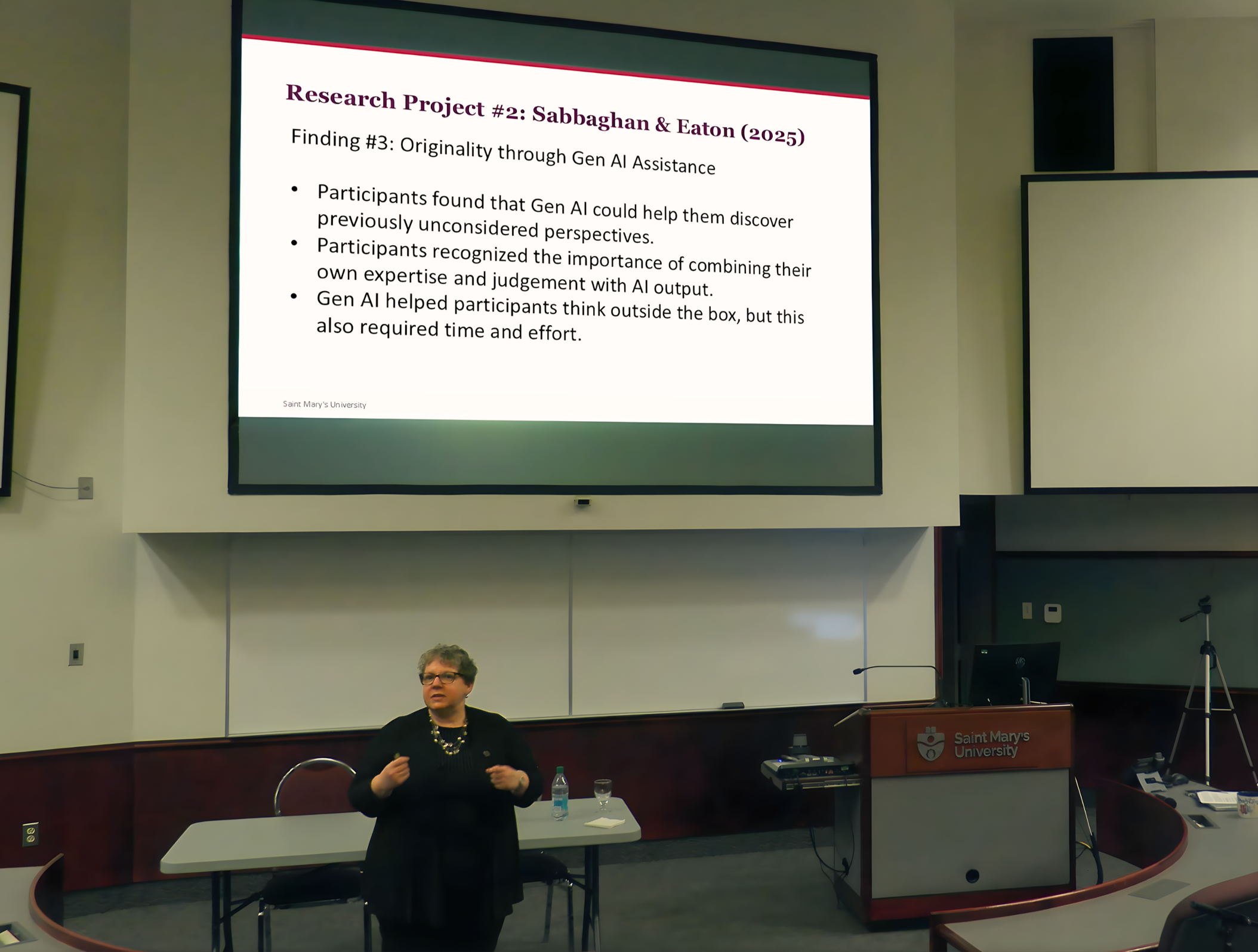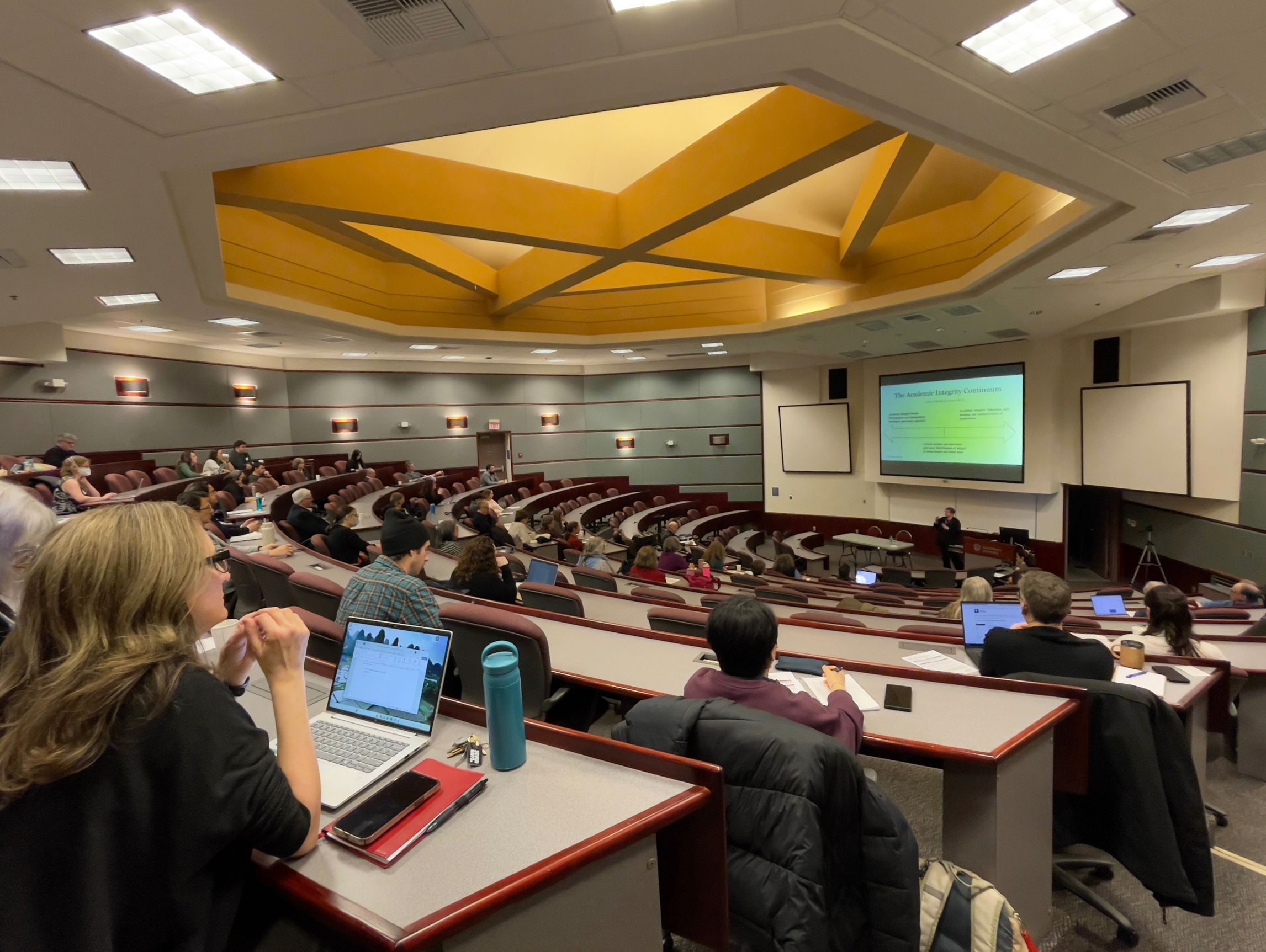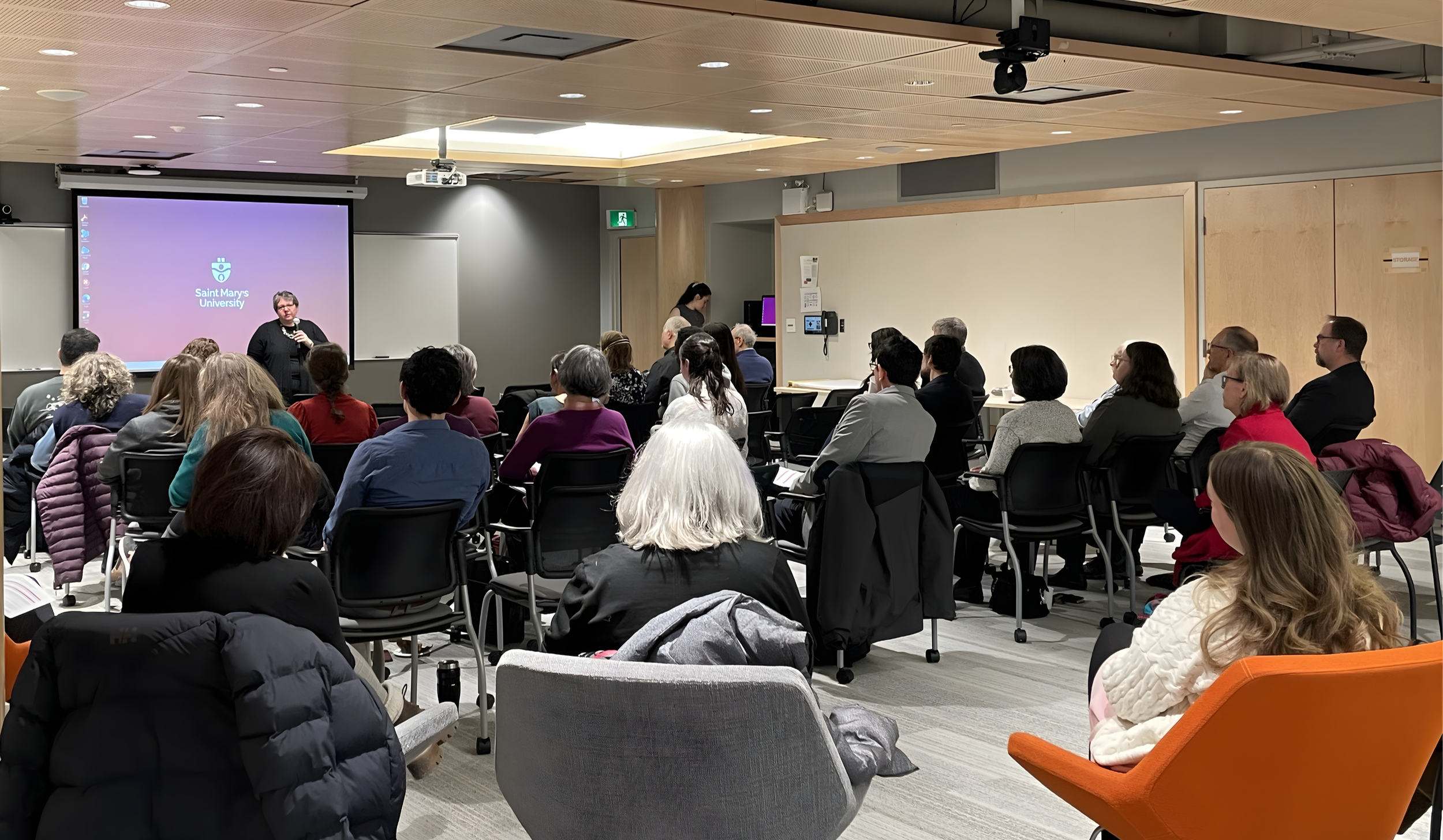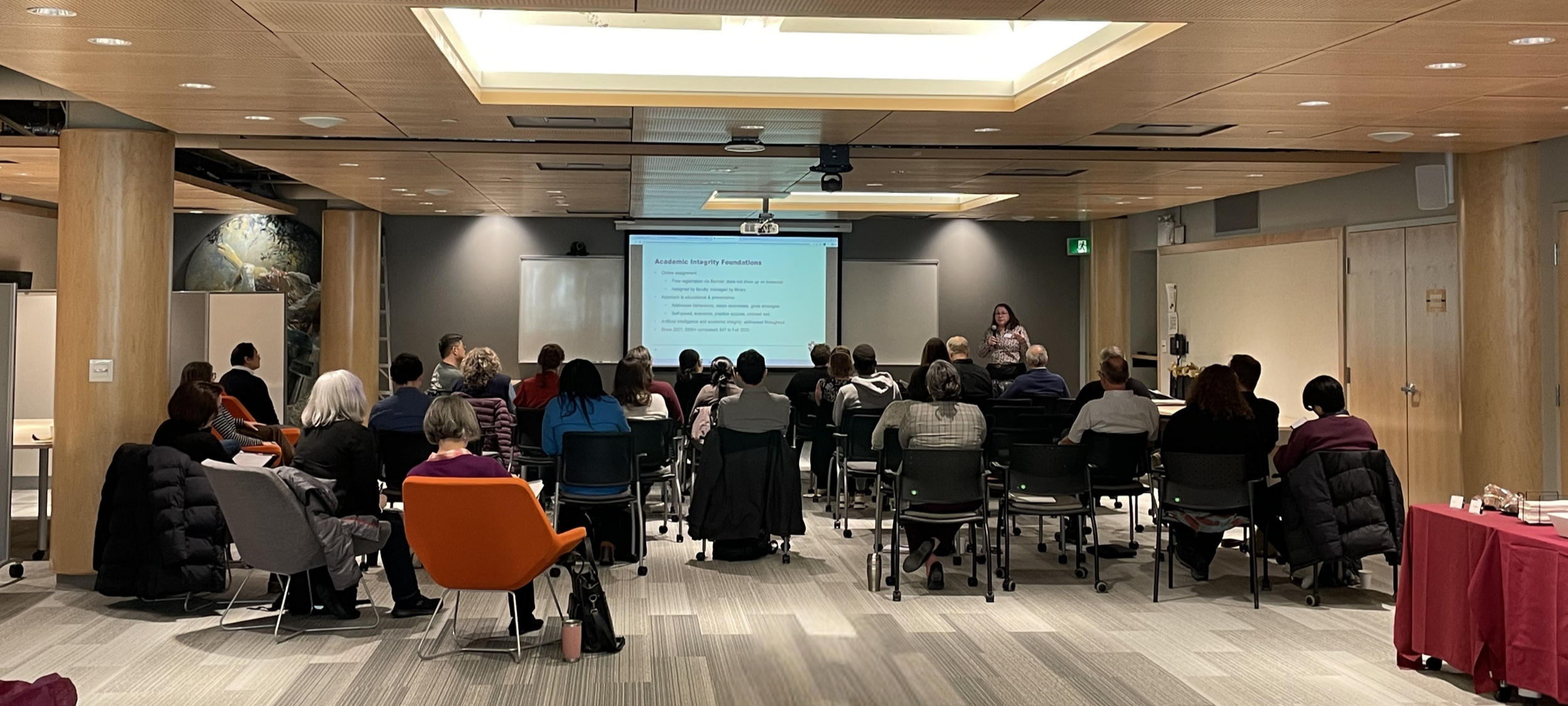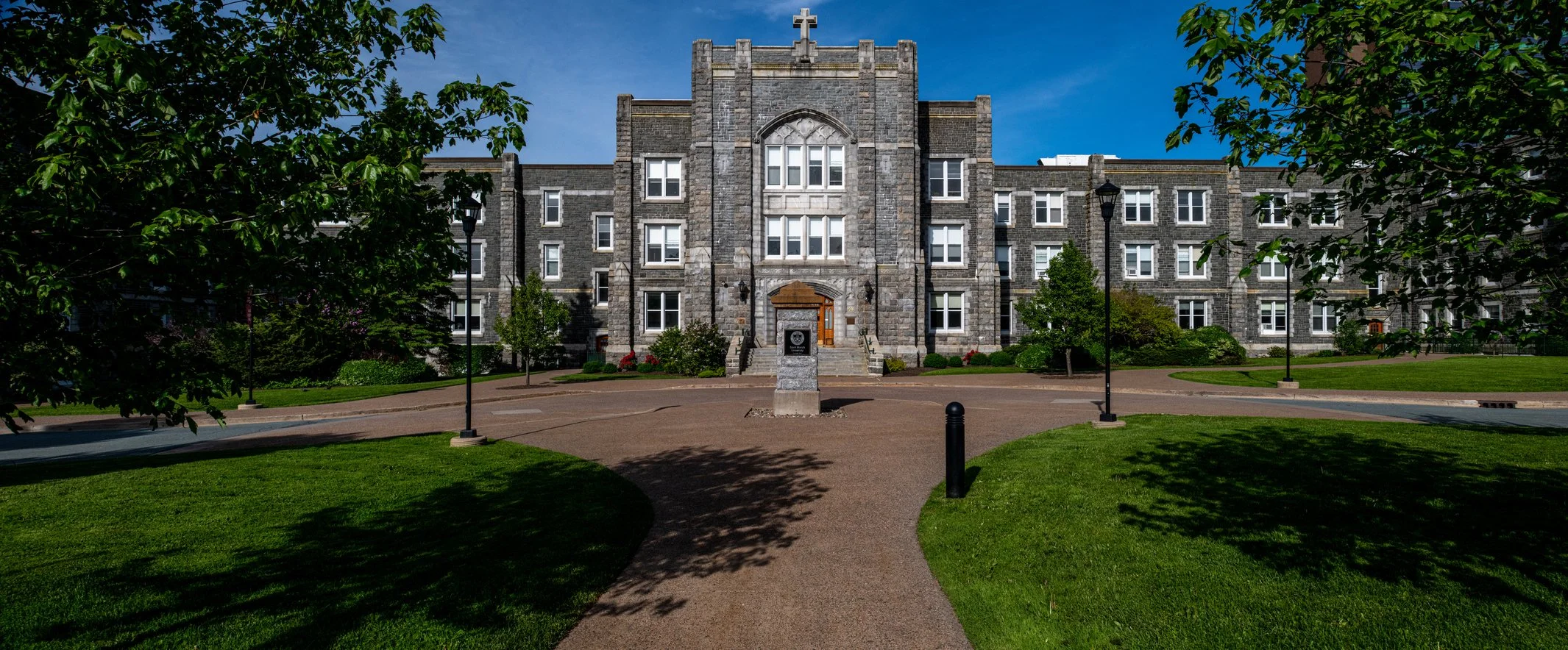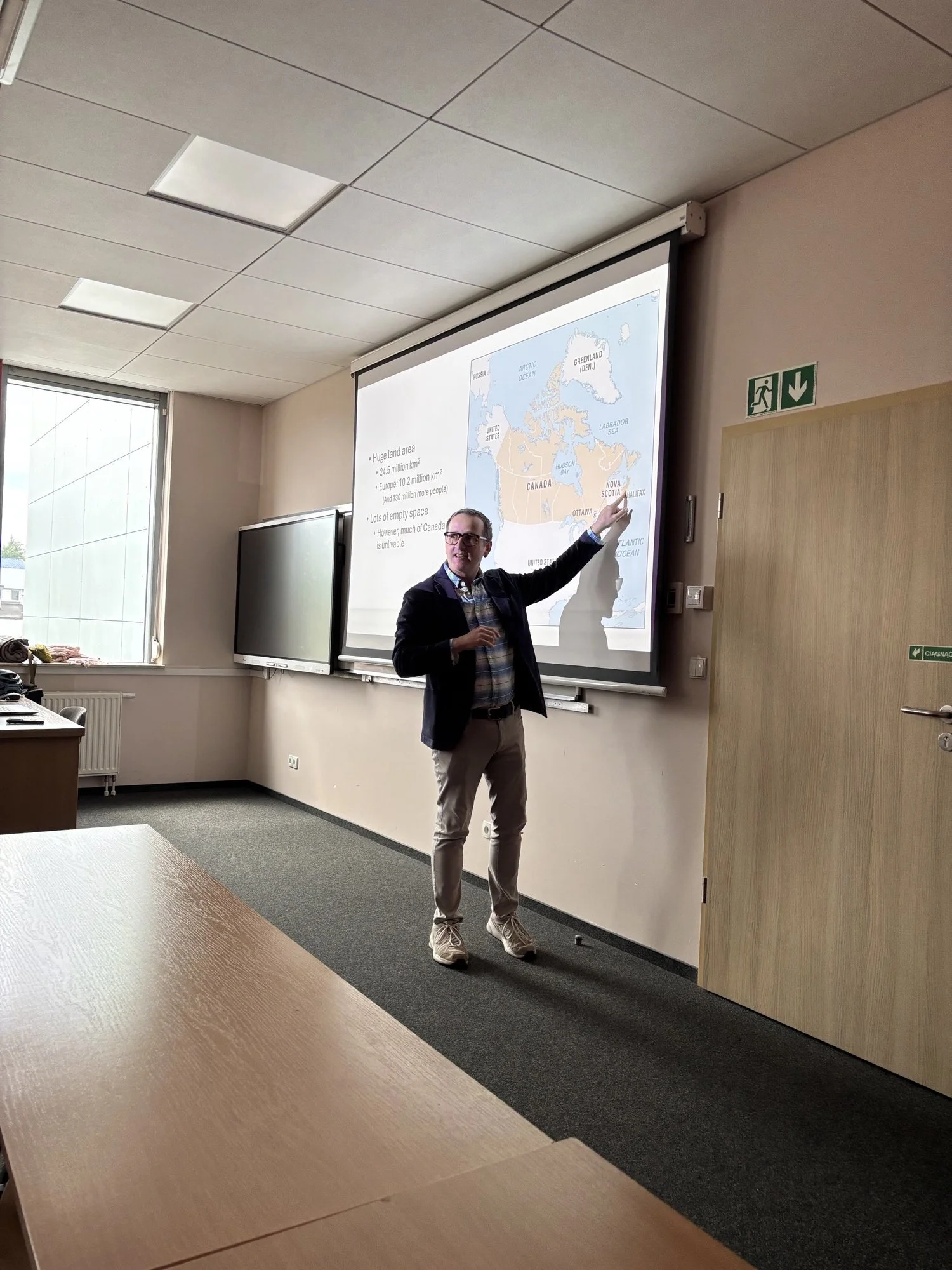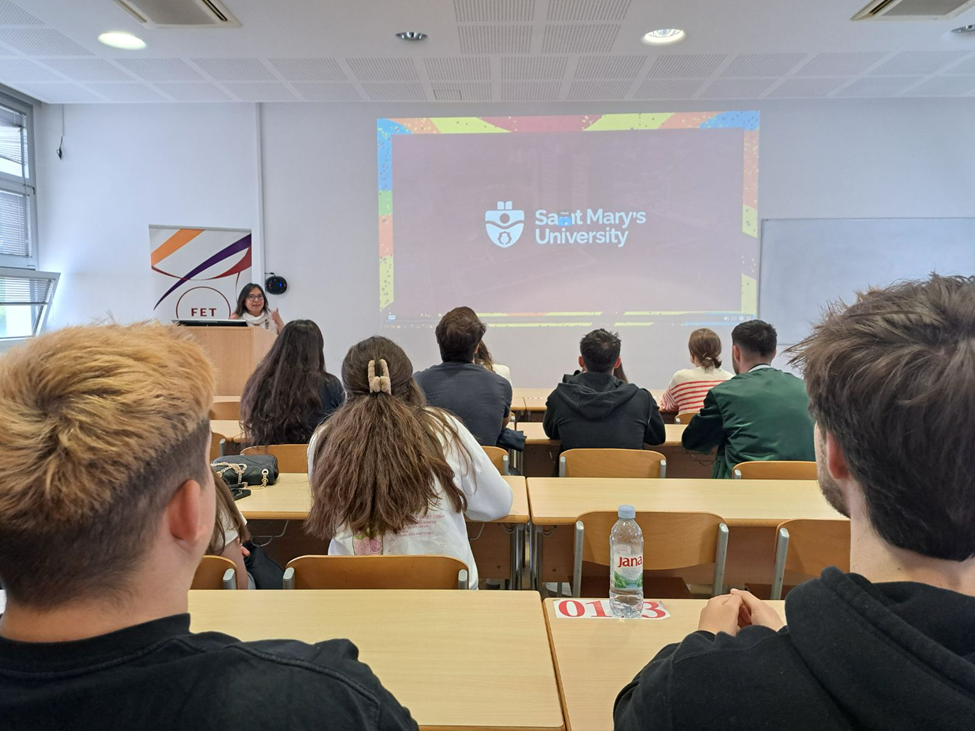
On Tuesday, March 24, 2026, the Studio for Teaching and Learning at Saint Mary’s University hosted the Teaching Symposium: Assessments and Evaluation in the Age of Generative AI, bringing together faculty, staff, and institutional partners for a full day of dialogue, reflection, and practical learning focused on the role of generative AI in teaching and assessment.
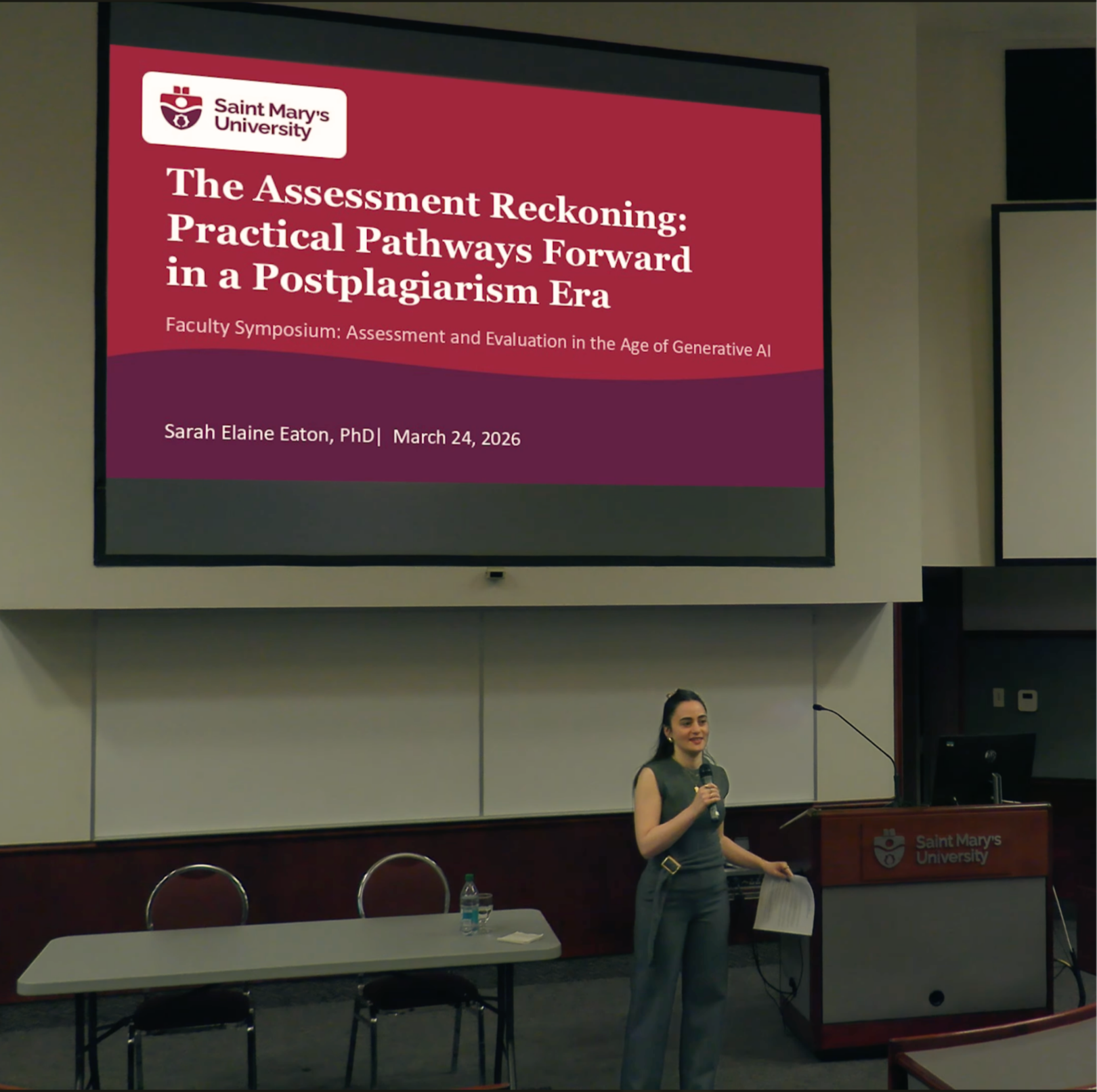
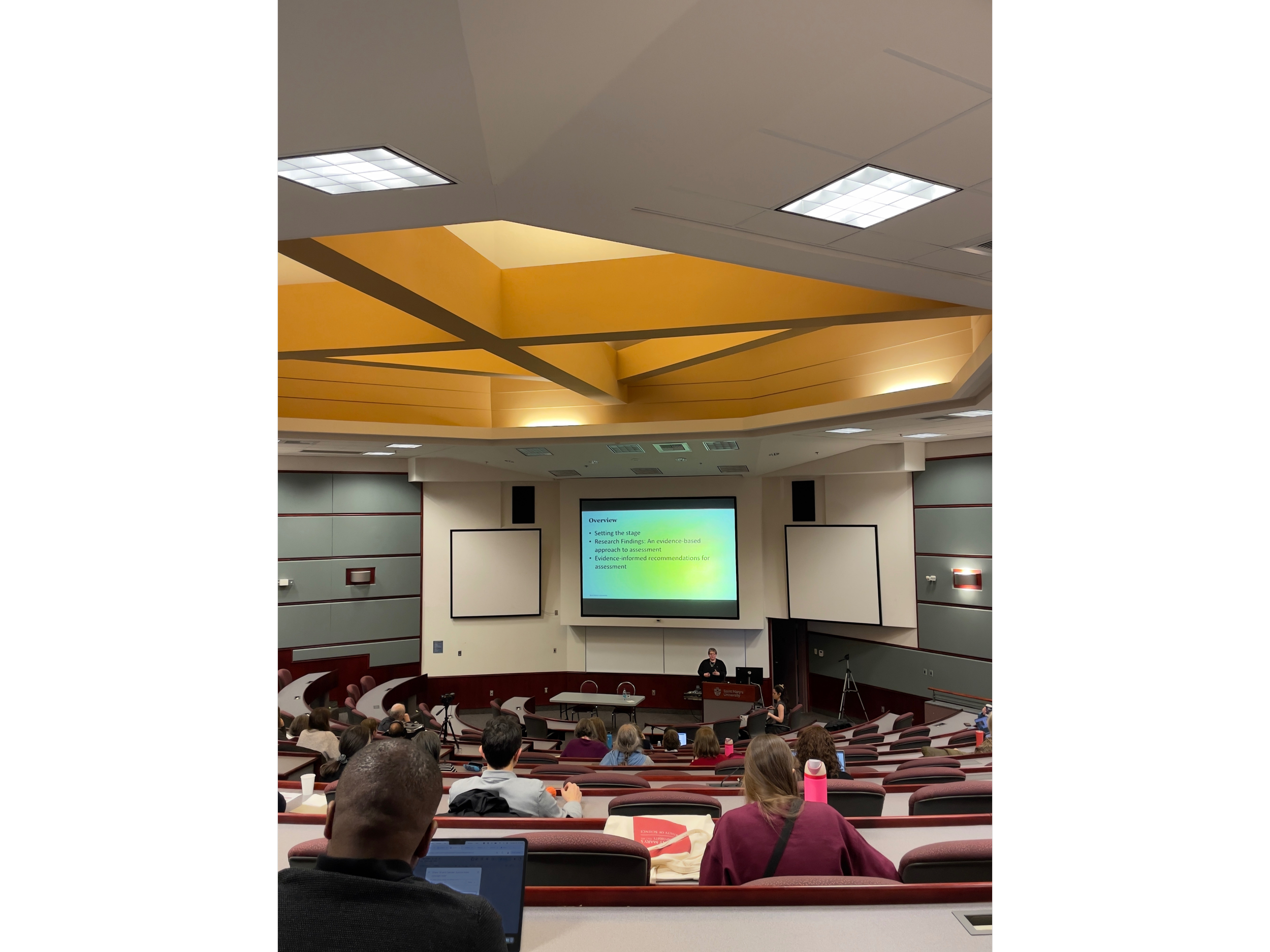
Held across two campus locations, the symposium opened with a keynote address by Dr. Sarah Elaine Eaton, scholar of academic integrity and artificial intelligence, in the Scotiabank Conference Theatre, followed by speaker sessions in CLARI. The event was presented in partnership with Mount Saint Vincent University and focused on how generative AI is reshaping teaching, assessment, academic integrity, and student support in university settings.
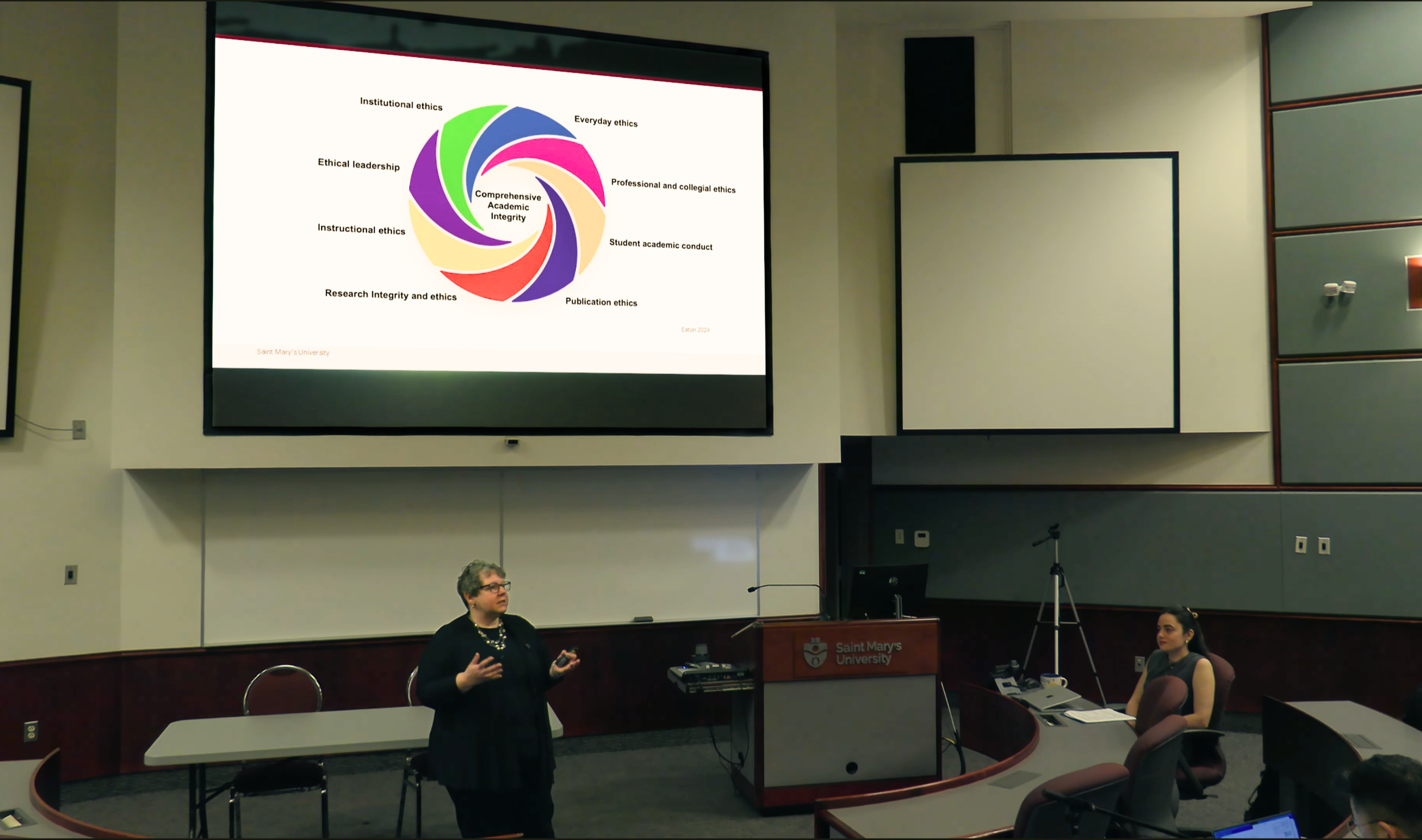
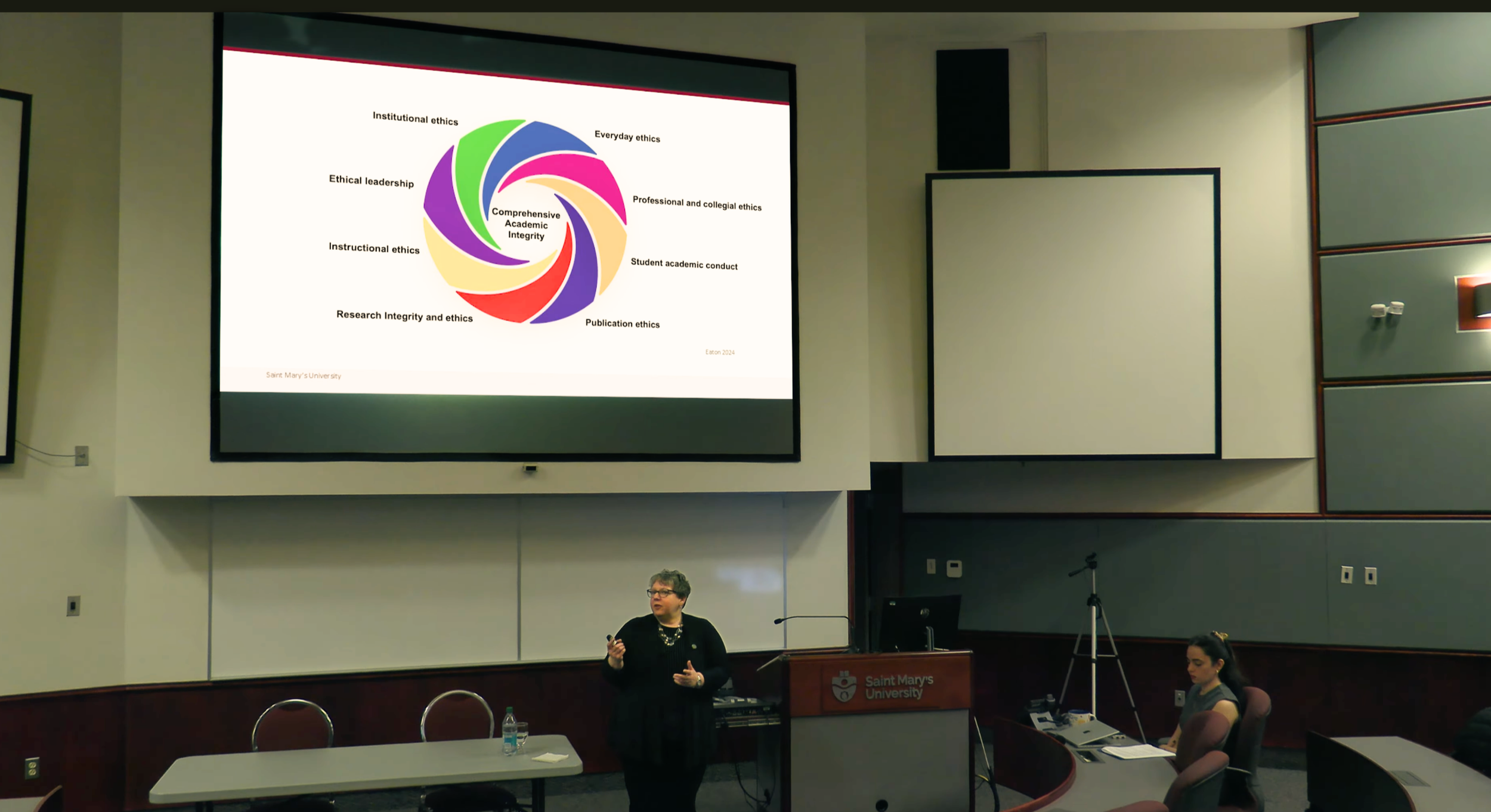
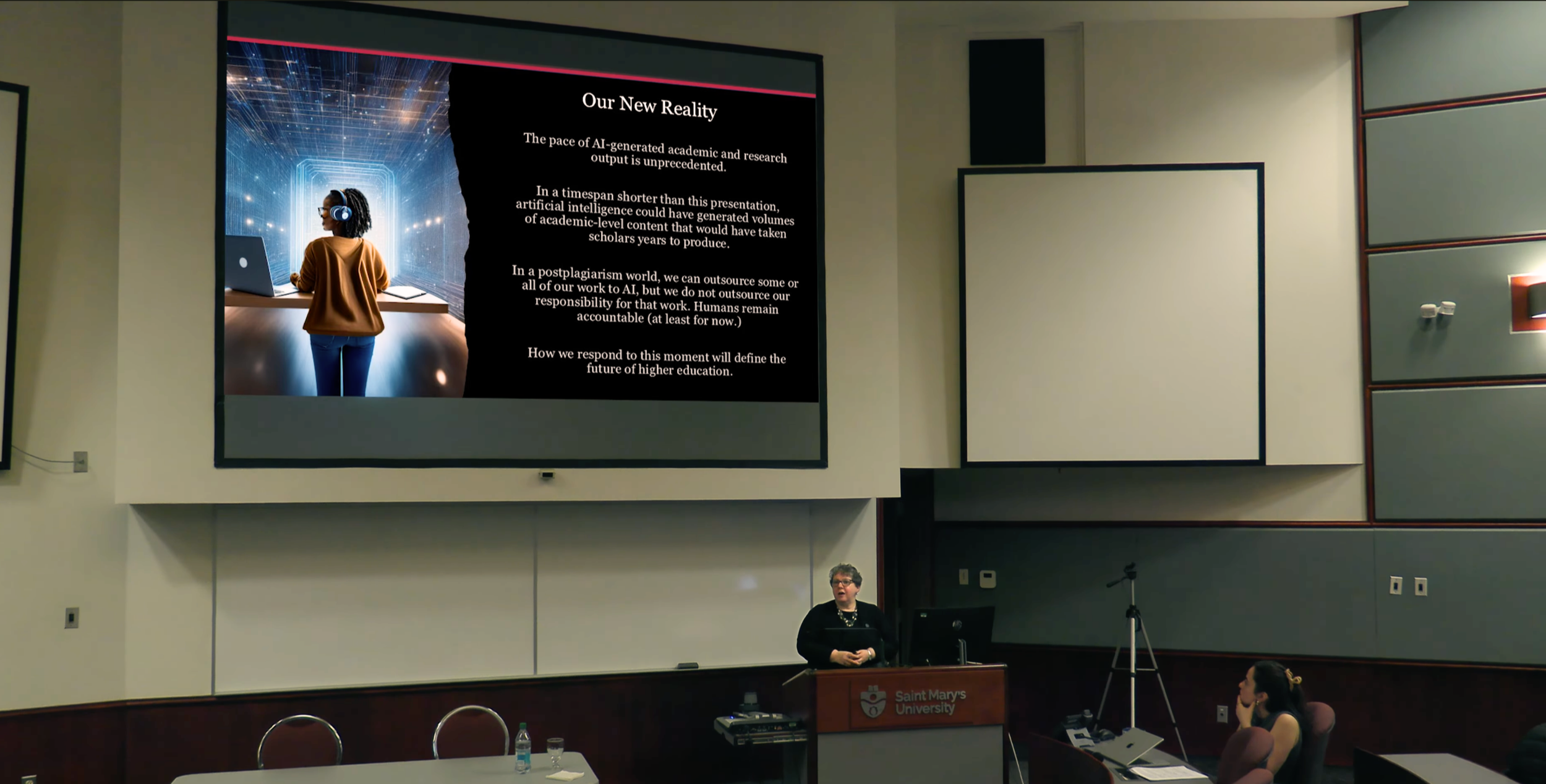
During the keynote, “The Assessment Reckoning: Practical Pathways Forward in a Postplagiarism Era,” Dr. Eaton examined how institutions can move beyond detection-focused approaches and instead redesign assessments to be meaningful, equitable, and responsive to the growing presence of generative AI in teaching and learning. The session encouraged participants to consider how academic integrity, pedagogy, and assessment design intersect in a rapidly changing environment.
Following the symposium, Dr. Eaton reflected on the range of perspectives and practices shared across the day’s sessions. “I was excited and inspired to hear from different speakers about how, when, and why they are intentionally using AI as part of their teaching and assessment practices,” Dr. Eaton said. Returning to Saint Mary’s as an alumna, she also highlighted the university’s strong student-centred culture, adding that “the focus on student learning is still the same” and that Saint Mary’s remains “a community” where “professors really care about their students.”
Throughout the day, sessions explored a range of themes, including student guidance on AI use, fairness in grading, academic integrity processes, equity, privacy, and practical classroom applications. The program also created opportunities for faculty and staff to share examples, questions, and emerging approaches as generative AI becomes more present in teaching and learning.
Among those in attendance was Dr. Howard Donohoe of Saint Mary’s Faculty of Science, who spoke about the importance of helping students develop “a sense of quality of their work,” alongside an understanding of academic integrity. Dr. Donohoe noted that Dr. Eaton’s keynote brought several ideas together in a meaningful way and said the symposium offered useful perspectives on academic integrity, writing, and assessment.
Dr. Leslie Digdon, Associate Professor in the Department of History at Saint Mary’s University, also reflected on the value of hearing from colleagues across disciplines about the ways generative AI is affecting teaching and learning. Digdon noted a particular interest in how generative AI is reshaping “both knowledge-based and skill-based evaluations” and said methods discussed during the symposium, including interactive oral assessments, may be incorporated into future courses.
Inter-university collaboration was a key element of the symposium. Stefani Woods, M.Ed., Director, Educational Development and Technologies at Saint Mary’s University, noted that “one of the strengths of the day was the reminder that many of the questions faculty, instructors, and educators are facing are shared across institutions.” Woods added that bringing colleagues together from different institutions helped surface shared teaching challenges, create space for continued dialogue, and strengthen teaching practice. Emily Ballantyne, Acting Director of the Teaching and Learning Centre at Mount Saint Vincent University, also emphasized the value of collaborating with Saint Mary’s on the symposium and highlighted the opportunity to bring faculty together through a program of distinct sessions and shared discussion.
The symposium also highlighted the role of campus support services in advancing AI literacy and academic integrity education. Heather Sanderson, Outreach and Instruction Librarian at Saint Mary’s University, spoke about library instruction and workshops on topics including academic integrity and AI literacy, and pointed participants to the Saint Mary’s University Library’s Artificial Intelligence Guide. The guide offers resources on academic integrity, citing AI, and ethical considerations in post-secondary education. Faculty interested in arranging a class visit or workshop are encouraged to contact the library.
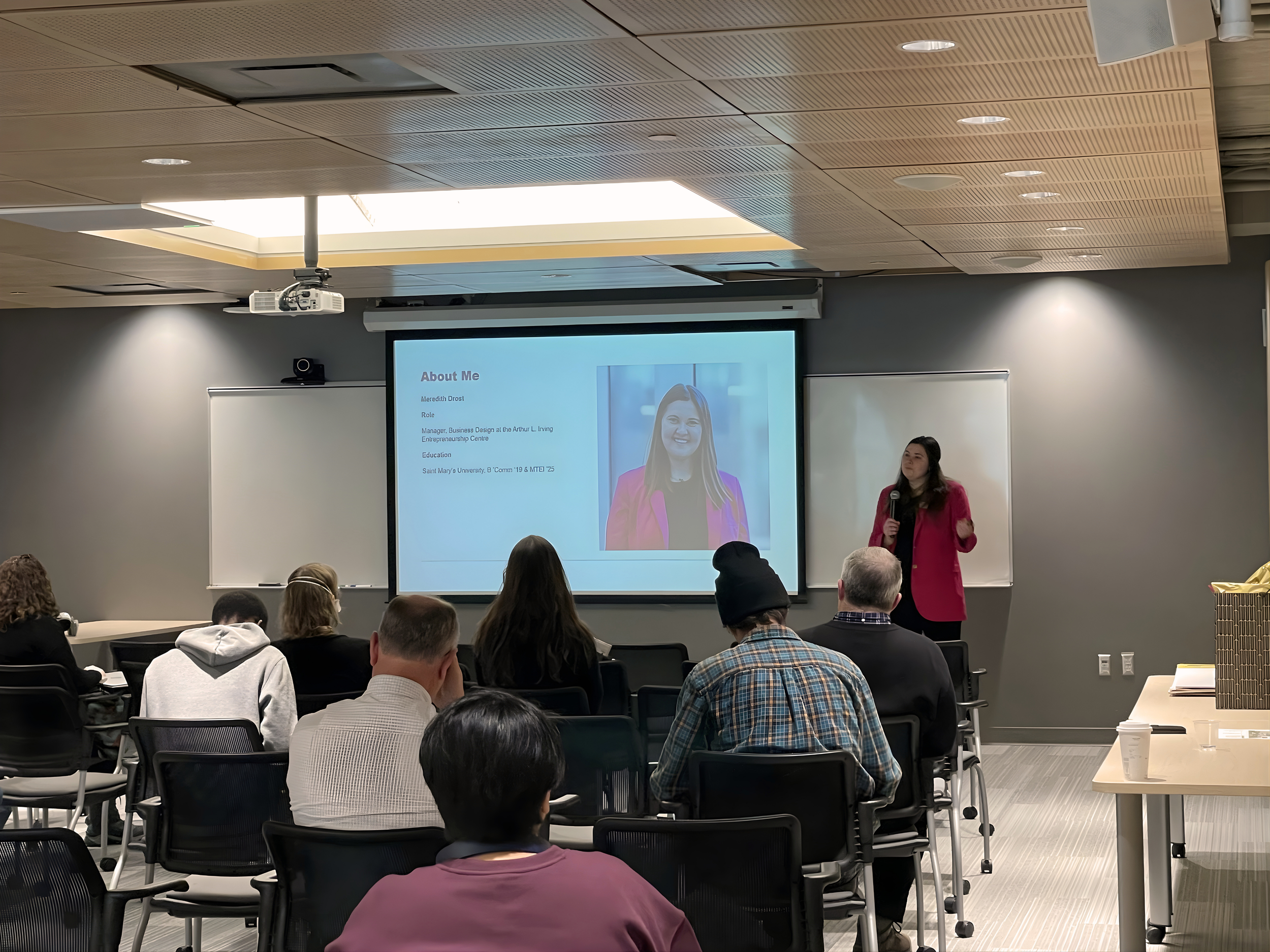
Saint Mary’s AI Playground was featured during the symposium in a session led by Meredith Drost, Manager, Business Design at the Arthur L. Irving Entrepreneurship Centre. Designed as an interactive living lab, the AI Playground uses hands-on activities to build student AI literacy and support practical engagement with AI in real-world contexts. Additional information about the AI Playground is available here.
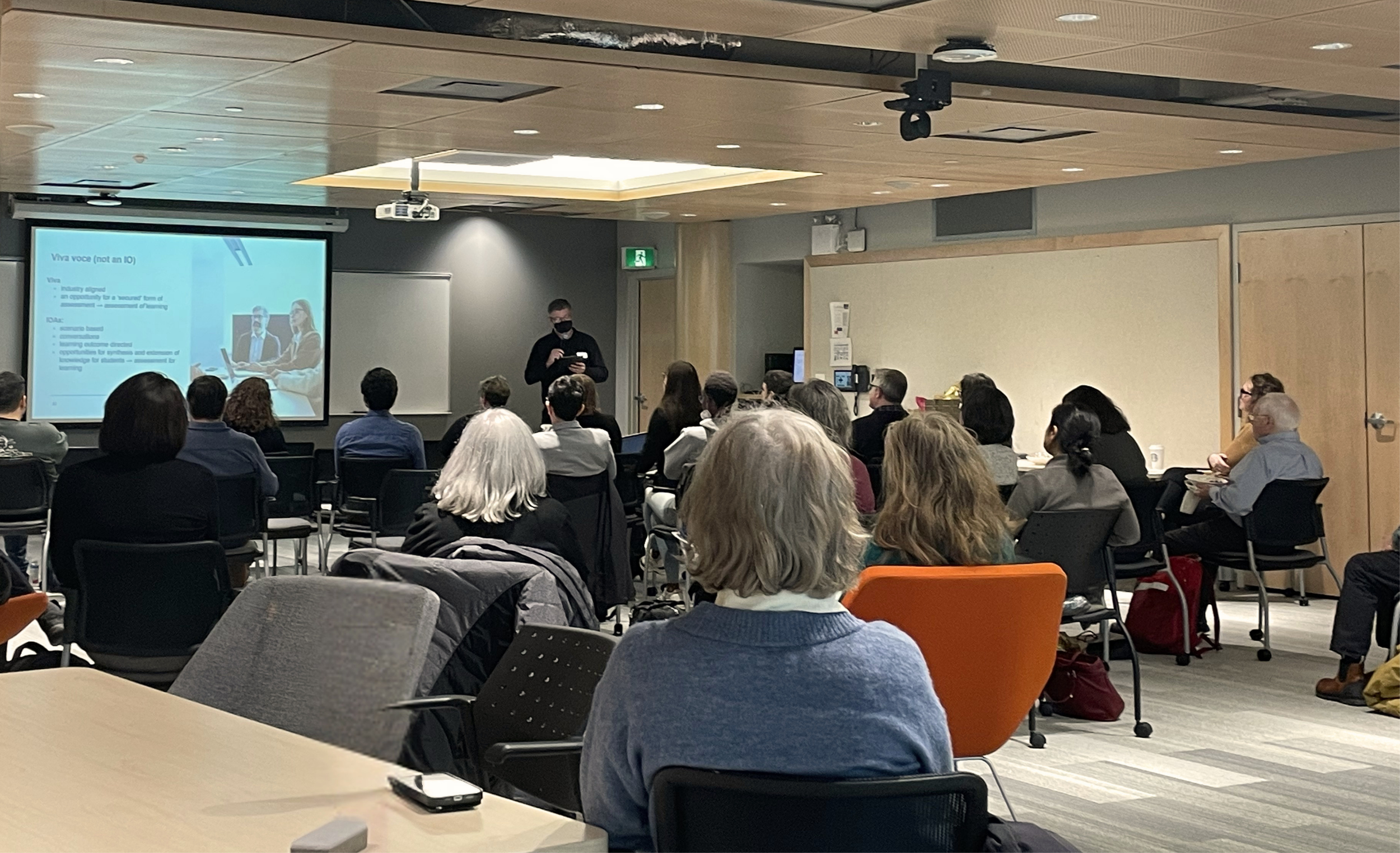
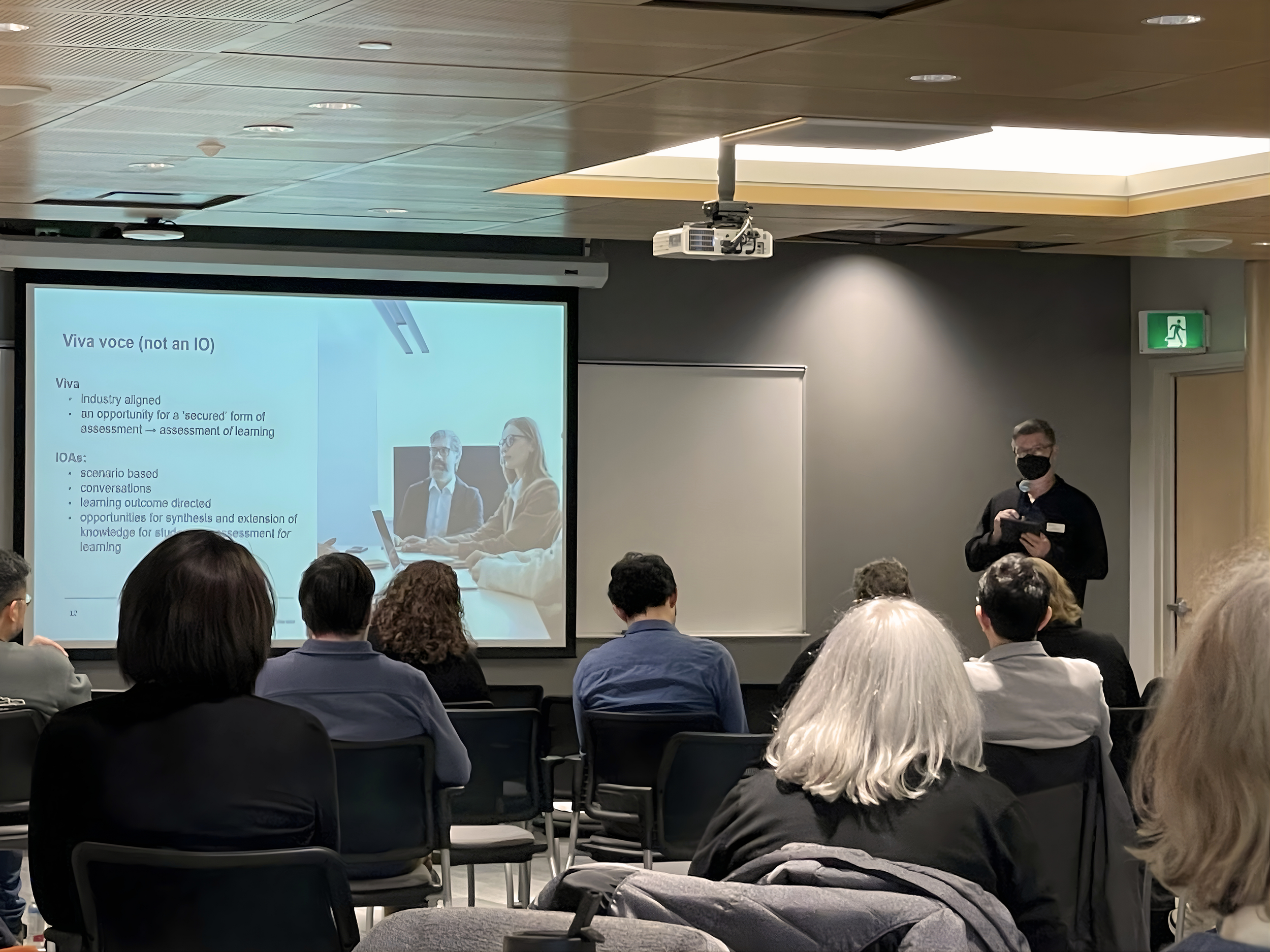
In a session led by Julian L’Enfant, Educational Developer at Saint Mary’s University, participants explored interactive oral assessments as one practical approach to assessment redesign in the context of generative AI. Framed as short, scenario-based conversations tied to learning outcomes, interactive orals allow students to explain, apply, and justify their thinking in real time. The session also emphasized the value of using interactive oral assessments alongside other forms of assessment. Participants were introduced to resources including Griffith University’s Interactive Oral Assessment: an authentic and integral alternative to examination, the University of Sydney’s Sydney Assessment Framework, and Julian L’Enfant’s Interactive Oral Scenario Builder custom GPT. Those interested in future workshop offerings may contact Julian L’Enfant at julian.lenfant@smu.ca.
The symposium concluded with sessions centred on discussion and reflection. In “AI in the Classroom Café: Conversations on Teaching, Assessment, and Possibility,” Amanda Saoud, Educational Developer, facilitated small-group conversations on AI in higher education, inviting participants to reflect on teaching, assessment, and emerging practices. Bringing together perspectives from faculty, staff, and a student panelist, the session highlighted the importance of dialogue across roles as higher education continues to respond to AI. “What stood out to me was the range of perspectives in the room and the openness with which participants engaged questions about AI, teaching, and assessment,” noted Saoud.
The closing panel, “Rethinking Assessment in the Age of Generative AI: Voices from the Classroom,” brought together faculty, staff, and student perspectives on academic integrity, authentic assessment, and evolving approaches to evaluation as generative AI becomes more present in teaching and learning, reinforcing the symposium’s focus on shared reflection and practical exchange in teaching, assessment, and evaluation across higher education.
The full speaker schedule and a recording of the keynote are available here.